
Journal of Samuel Kiechel
6 – 18 April 1586
From Kalmar to Copenhagen
“When we were half an hour from the hamlet where we wanted to spend the night, we met a peasant who was on his way home from the market and had 2 horses on his cart; one of them was young, beautiful, and similar in size and colour to the one I was riding. I told my companion to ask the peasant if the horse was for sale.”
Die Reisen des Samuel Kiechel aus drei Handschriften, K. D. Haszler (ed.), Stuttgart 1866, p. 84; Bayerische Staatsbibliothek.
Along the Coast
After spending the Easter days in Kalmar, Samuel Kiechel and his companion, a Dane, set out for Malmö, where they hoped to catch a boat across the Øresund to Copenhagen. Our traveller was not entirely happy to backtrack to the Danish capital, but he had no alternative.
Outside Kalmar, the roads were soggy and deep. Kiechel noted that the land in southern Sweden was flat and that the water from the melting snow had nowhere to run. It seeped into the ground, creating a huge swamp.
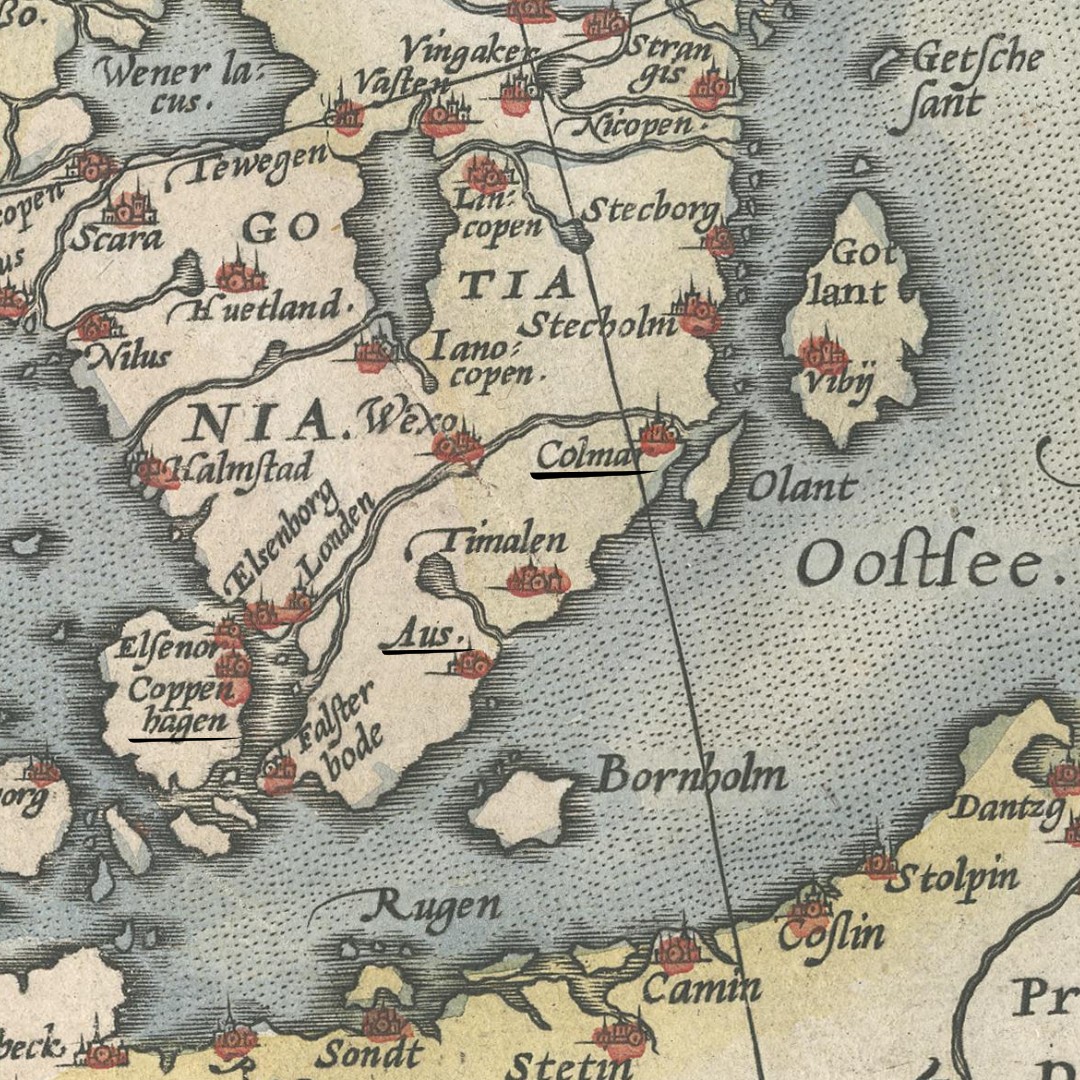
Map of southern Scandinavia with Copenhagen, Åhus (Aus) and Kalmar (Colmar), 1587
Samuel Kiechel and his companion arrived in the evening at the home of a parish priest. The place was called Söderåkra, and the travellers stayed there for the night. The following day, they crossed the border between the Kingdoms of Sweden and Denmark and entered the Danish province of Blekinge. They passed through the towns of Nättraby and Ronneby. The road led across rough terrain, but there were also stretches so flat that, to Kiechel, they looked man-made.
When the two travellers left Ronneby, they lost sight of each other for a long while. They met up again, but as dusk deepened, they got lost and had to carry on into the night until they reached a hamlet. They knocked at the door of the local parish priest and asked for accommodation. The travellers offered to pay, but the man refused. Kiechel then asked if the priest would allow them to use the stable, but they were refused again.
Not far from the priest’s house, Kiechel and his companion came to the home of an old German mercenary. The mercenary was more hospitable and allowed them to spend the night in his house. But he had neither food for the travellers nor for the horses to spare. The old mercenary told Kiechel that the priest was wealthy but also very greedy. In his journal, Samuel wished the plague upon him.1
Kiechel wrote that the place where the travellers spent the night was called Hestory, three miles from Ronneby.
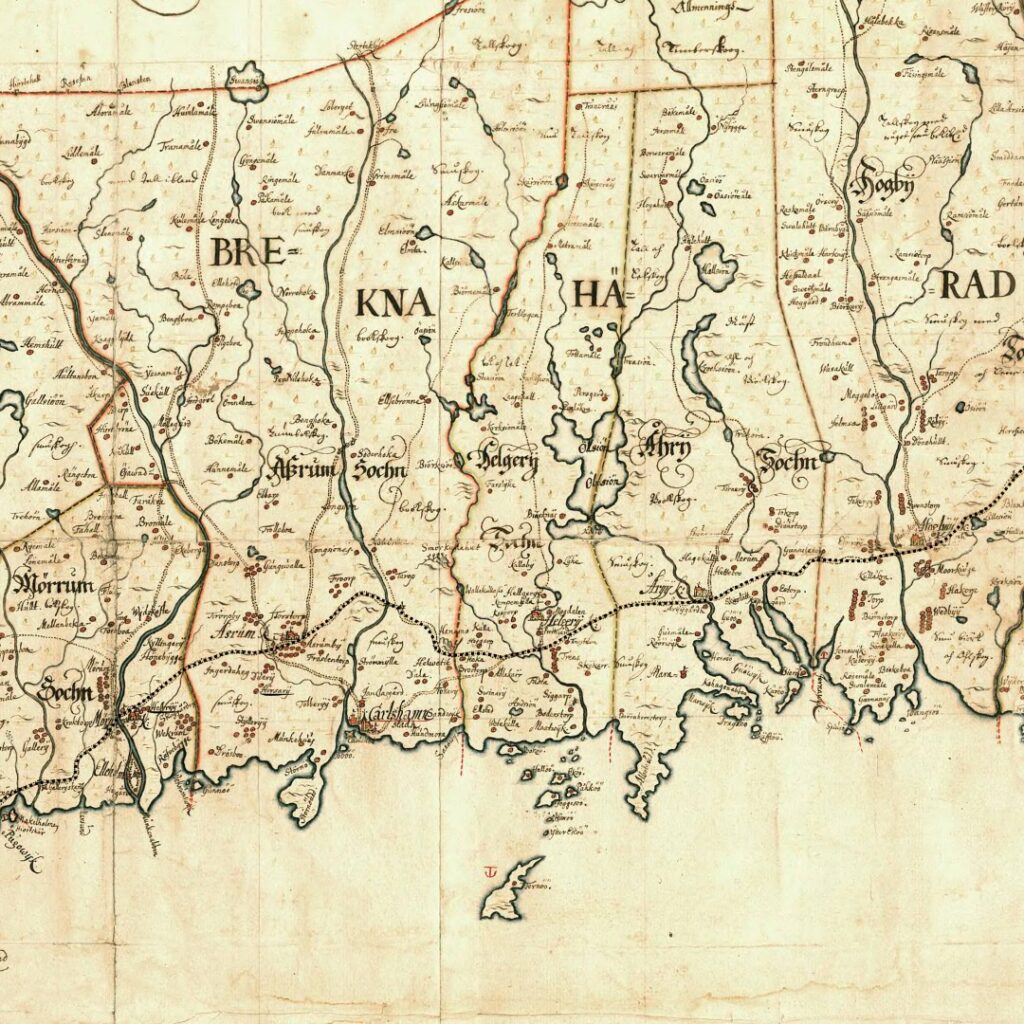
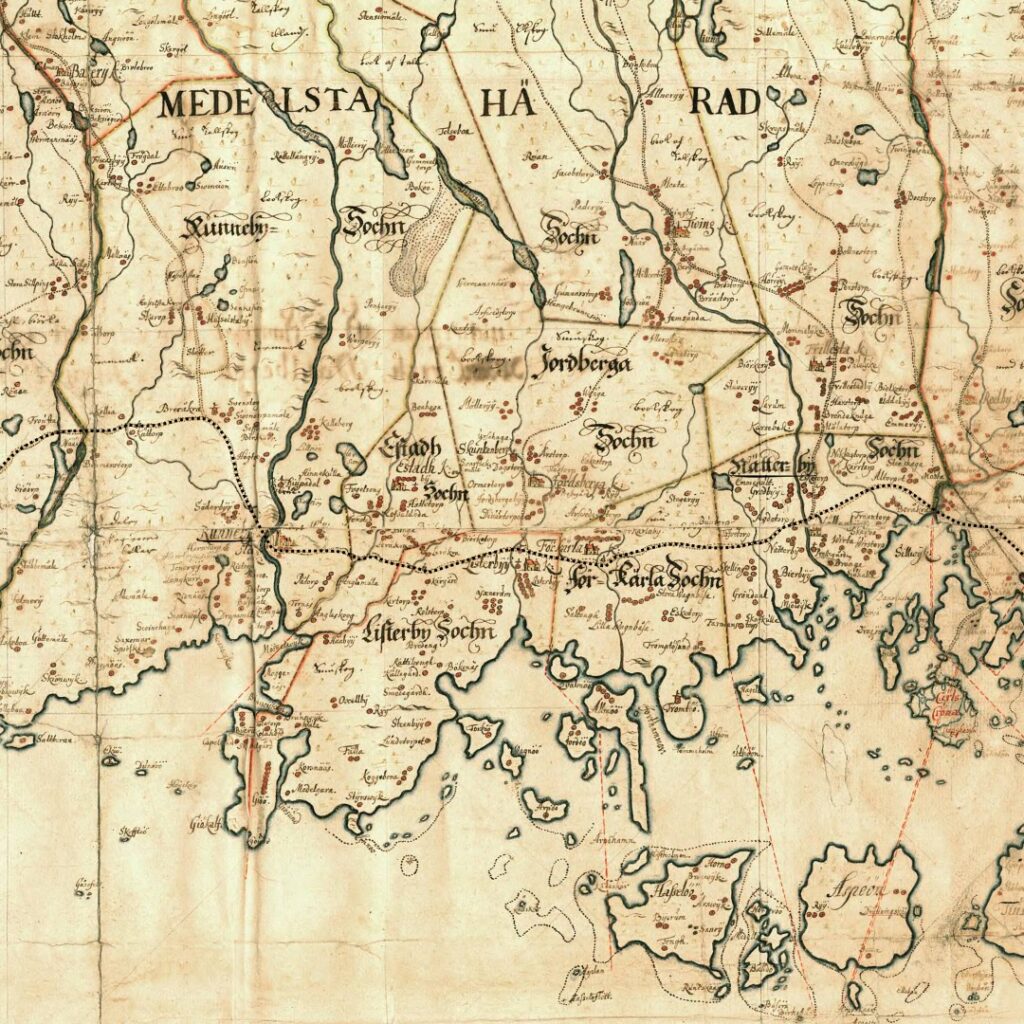
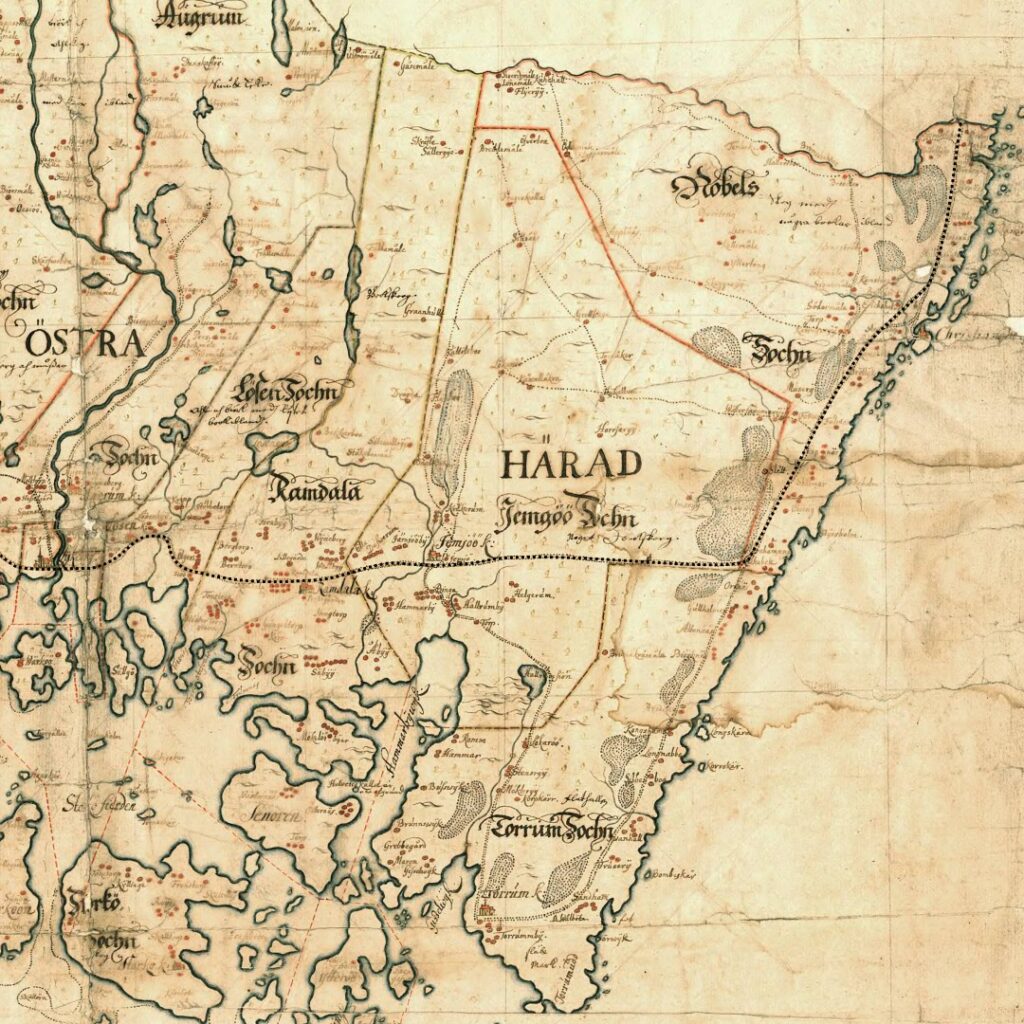
Map of Blekinge from the 17th century; the dotted line indicates the likely route Samuel Kiechel took (entering the province from the north-east)
This rare regional map of Blekinge from the seventeenth century shows some roads and allows us to trace the route Samuel Kiechel took. The map is from 1684, a century after Kiechel’s journey, but it’s unlikely the roads changed significantly in the meantime. Nättraby and Ronneby are marked as larger settlements. Hestory, the village where Kiechel and his companion spent the night, is a bit more difficult to identify. Fortunately, the lower-left corner of the map includes a scale showing the length of a mile relative to the depicted area. Kiechel mentioned travelling three more miles from Ronneby. At this distance, a similarly sounding place would be either Horsary or Hestryy, northwest of Karlshamn (Carlshamn).
Into Scania
Kiechel and his Danish companion continued the following morning (8 April). They made good progress and covered a lot of ground. Leaving Blekinge, they entered the province of Scania. Kiechel wrote that the landscape of Scania was far less mountainous, more fertile, and had more settlements than the previous two provinces he had travelled through. The clothing of the people of Scania was cleaner, and they managed their everyday life and affairs better.
On the way, Kiechel’s horse had a nasty fall and took the rider with it. But our traveller was lucky and avoided any serious injuries. The two men arrived in the town of Åhus in the evening. According to the journal, the town had no walls; it was well built and located on an arm of the Baltic Sea.
The following day, the two travellers continued on their way. They rode through farmland and arrived at the house of a priest at noon. There, they had lunch, and Kiechel tried his Latin to talk to their host. It took some effort to communicate, and, curious, the priest asked many questions.
Horse Trade
After lunch, Samuel Kiechel and his companion continued their journey towards Malmö. When they were close to the village of Webre (Veberöd?), they met a peasant returning from the market. The peasant had two horses tied to his empty cart. One of them was young and beautiful, resembling the horse Kiechel rode. Our traveller asked his Danish companion to enquire whether the peasant was willing to sell the horse. The man agreed and asked for thirteen Reichsthaler (large silver coins).
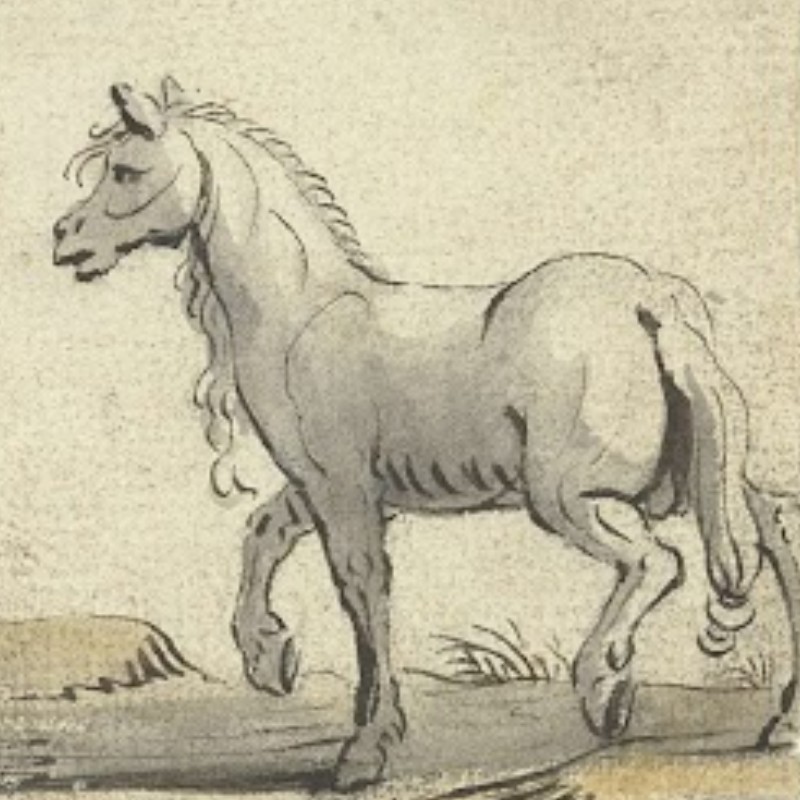
Kiechel was interested but wanted a closer look at the animal. It was late in the day, and the peasant agreed to accompany the travellers to the nearby village of Webre, where they could work out a deal. After some haggling, Kiechel agreed to pay the peasant twelve Reichsthaler for the horse, but the man had to travel with him to Lund the next day. Lund was two miles away, and the journey would give Kiechel time to try out the horse before handing over the money.
The three men spent the night in Webre and continued to Lund the following morning. However, the horse Kiechel intended to buy had no saddle, so our traveller asked the peasant to ride it. They arrived in the town of Lund, and Kiechel paid the peasant the agreed price without actually having tried the horse himself.2
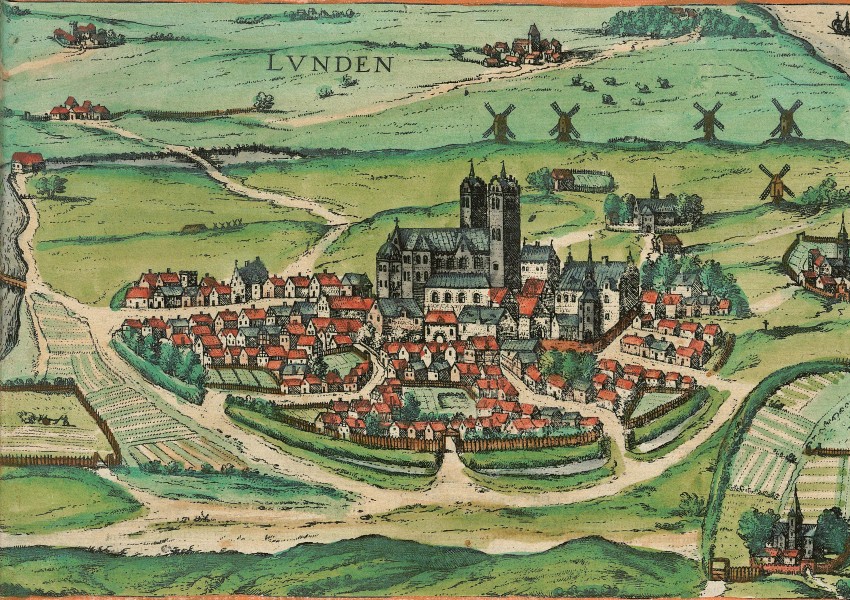
Lund, 1588
Samuel Kiechel did not spend any time in Lund and did not mention anything about the town. However, it is worth noting that Lund is one of Sweden’s oldest cities and was the seat of an archdiocese. After a dearth of views of Scandinavian cities, a depiction of Lund appears in volume four of the Civitates Orbis Terrarum. The view shares the page with three other images of cities along the Øresund — Helsingborg, Landskrona and Malmö. The view of Lund is therefore rather small and sparsely detailed. The city is presented as unfortified and rather small. It looks more like a village were it not for the bulk of Lund Cathedral dominating the view.
Horse Troubles
After concluding the trade, Samuel Kiechel and his companion continued on their way in the afternoon. They had just two more miles to Malmö. However, when they were half an hour from the city’s gates, Kiechel’s new horse broke away and ran off. Our traveller had been leading the animal behind him. He briefly considered chasing it but decided against it. The horse he was riding was tired from the journey.
Although Samuel did not expect to see the horse again, he began searching for it. After a long while, he saw a carriage travelling along the road, with his horse ambling behind it. Kiechel attempted to catch the animal, but it escaped him again.
Eventually, the horse returned of its own accord and began following Kiechel at a distance. With some effort, our traveller finally managed to catch the animal and lead it by hand into Malmö.
Kiechel wrote that Malmö is the capital of the province of Scania. It is not very large, poorly fortified and by the sea. Some time ago, the city had been engaged in the lucrative herring trade. But the good fishing grounds were now in Norway. Herring is still caught in the waters around Malmö, but the catch is significantly lower than before. Kiechel heard that the people of Malmö considered the loss of the herring trade a punishment by god.3
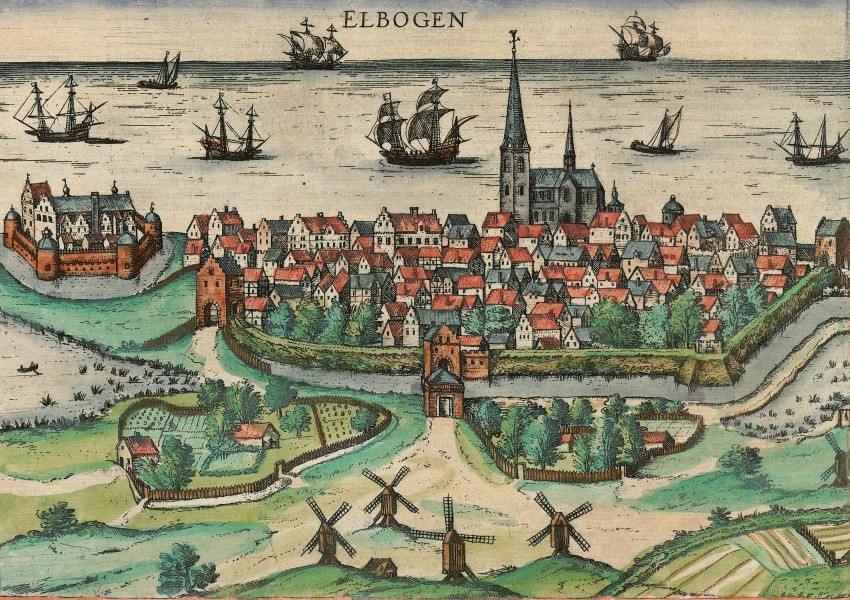
Malmö, 1588
The view of Malmö in volume four of the Civitates shows the city from the east. The image is small and therefore rather lacking in detail. Malmö is fortified by walls and a moat. In the background of the image lies the Øresund. Six large and two small ships are in the Sound, underscoring the city’s character as a trading and fishing port — just as Kiechel mentioned.
Malmö was a major port of the southern Øresund, and boats sailed directly from there to Copenhagen on the other side. Kiechel wrote that the Øresund was four miles wide at this point. But his hope for a quick departure was dashed by adverse winds. He had to wait three days in Malmö before the wind turned.
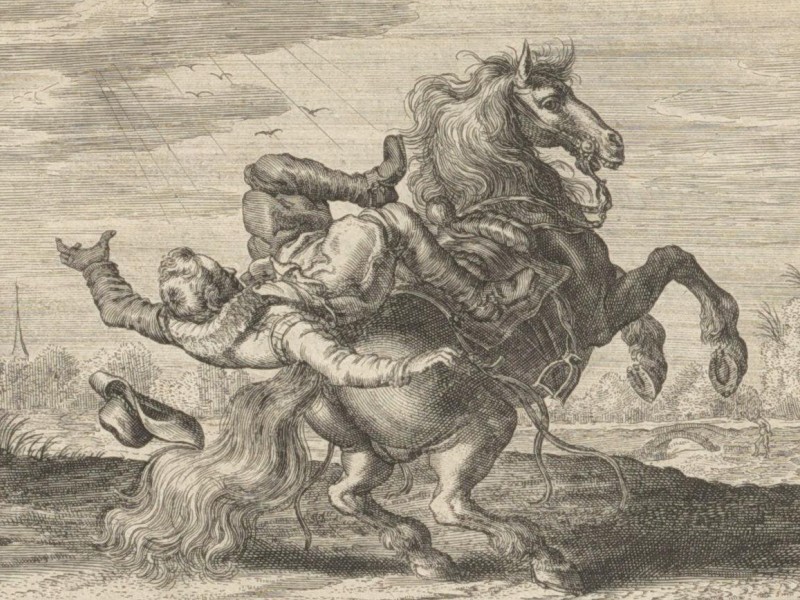
With nothing else to do, Kiechel decided to try to ride his new horse. His innkeeper lent him a bridle, and our traveller led the animal out of the gate into a field outside Malmö. First, Kiechel tried to saddle the horse, but the animal refused. Only with some help did he eventually manage to place the saddle. But as soon as he was on the horse, it bolted. Kiechel could not stop the animal, and when it ran past a pile of manure, it fell over. Kiechel was thrown off and landed on his neck. He wrote that he was in pain for the next few days but was lucky to have landed in the manure, which softened the fall.4
Medical Issues
With the medical care and knowledge of the sixteenth century in mind, Kiechel had indeed been lucky. Aside from banditry, accidents and illnesses were the most serious dangers for travellers. Any wound, broken bone or illness could have long-term or even fatal consequences. Had he not landed softly and seriously injured himself, the best Kiechel could have hoped for would have been a competent doctor in Malmö who could set bones and stabilise the injured body parts. But that would have been about it. Internal injuries would likely have gone undetected.
Kiechel’s problem would then have been what to do next. He would not have been able to continue his journey immediately, nor would there have been any form of medical transport to take him back home to Ulm. Given the transport options of the time, riding a horse would have been out of the question. He would have had difficulty mounting and controlling the animal. Riding in a cart would have been his best option, but the state of the roads would have made it an uncomfortable experience. Most likely, Kiechel would have stayed in Malmö, waiting and hoping that his injuries would heal enough for him to continue or return home on his own. This fall would not be Kiechel’s last accident, and later in his journey he would also have to contend with illness.
Thinking back to the first two days of the journey, when Samuel took leave of his parents to travel with their permission and blessing, it must have been the moment when they were all aware of the dangers this endeavour entailed. The risks of travelling in the sixteenth century were plentiful, and it was not just that the traveller might never return. Often, in such cases, the family at home would never know what happened and might wait and hope forever.
After this incident, Samuel had had enough of the horse and did not try to ride it again. He concluded that although it was a beautiful beast, it was wild and untamed.
Crossing the Sound
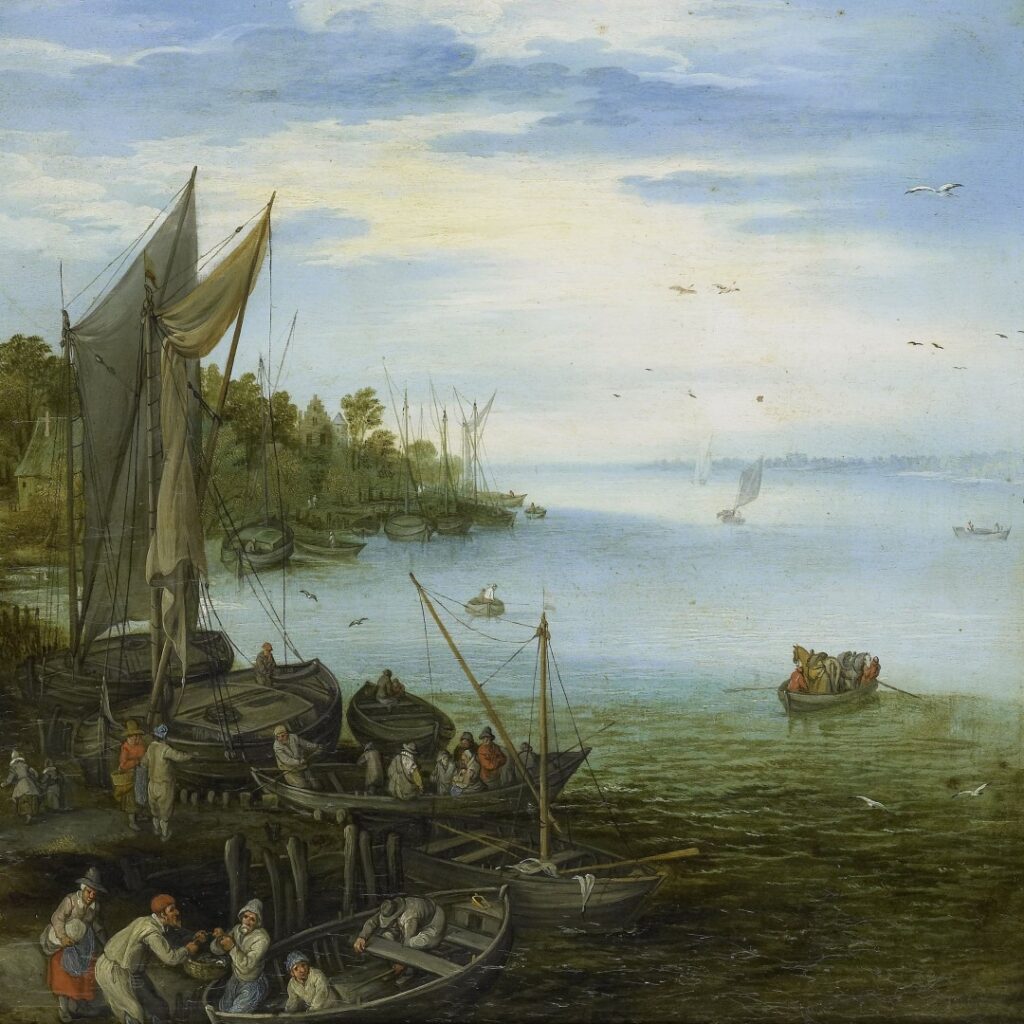
On 13 April, the wind had turned, and several boats were setting out to cross the Øresund to Copenhagen. Kiechel and his companion took their horses on board one of the boats. But our traveller had to return to the customs house to pay the duty on the animals. When he arrived back at the quay, he was shocked to find the boat had already left.
Kiechel had previously mentioned that he did not trust his companion. The man had fled from Livonia owing debts, had no more money, and had already borrowed five Reichsthaler from our traveller. Now the man was on the boat to Copenhagen with both of Kiechel’s horses. Samuel believed he would never see his animals again.
Another boat was leaving for Copenhagen later that day. Samuel waited and, together with about thirty other passengers, sailed across the Øresund. He arrived in Copenhagen three hours after the first boat.
To his surprise, Kiechel’s companion proved more honest than our traveller had assumed. Instead of selling the horses and disappearing with the money, the man had waited, and the horses were properly stabled in the house of a shoemaker. Having reached his destination, the erstwhile companion and our traveller now parted company.
Leaving Scandinavia
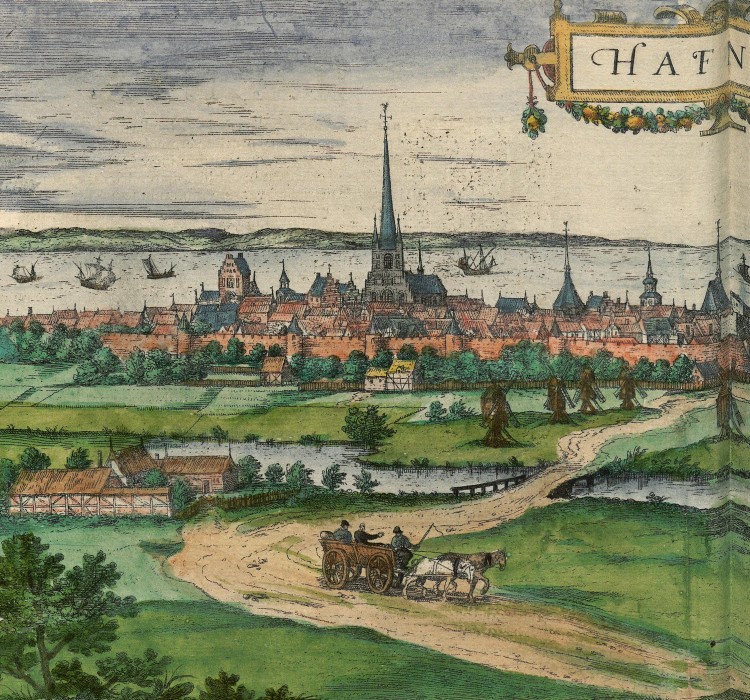
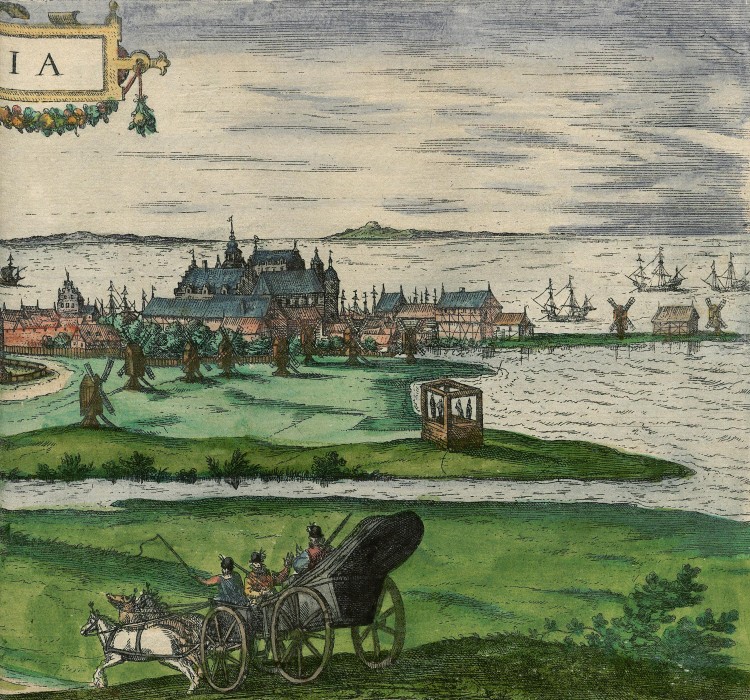
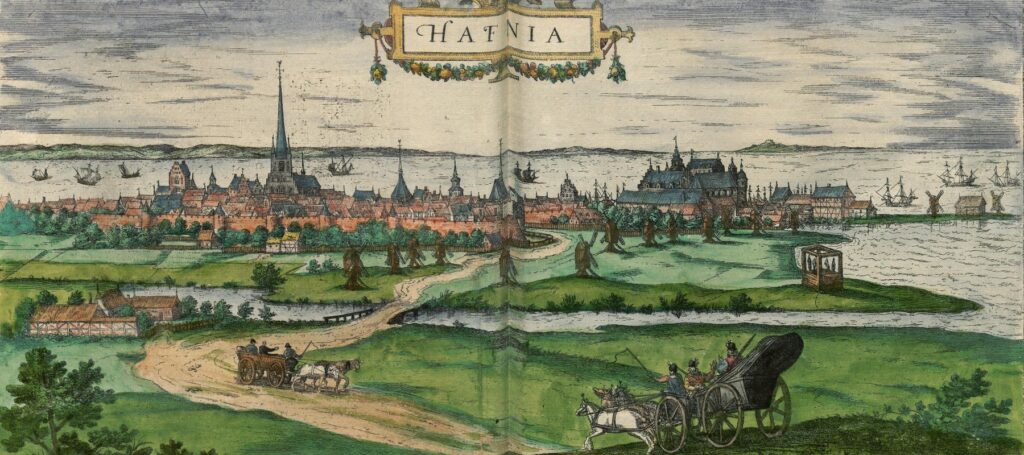
Having visited Copenhagen before, Samuel Kiechel did not want to remain in the city any longer than necessary. On his way to Stockholm, he had travelled overland through Schleswig and Holstein. Now, Kiechel intended to return by sea. But before departing from Denmark, he had to sell his horses.
Kiechel found a merchant who was the administrator of Kronborg Castle in Helsingør. The man was looking to buy two horses to pull a small hunting carriage he used. Kiechel’s two animals seemed suitable for this task, and after negotiations, our traveller sold his horses for twenty-four Reichsthaler. Kiechel considered it a good deal because he had paid twenty-one Reichsthaler for both animals and had ridden one of them for 120 miles.
Next, Samuel looked for a ship bound for the German coast. After waiting five days due to adverse winds, our traveller boarded a ship bound for Wismar, Germany. The ship was a barge used to transport flour and beer. It was open, had no decks, and was dangerous to sail in stormy weather because water could get in but not out. The ship stayed in the harbour of Copenhagen for the night and left the following morning.
Illustrations & References
All images are in order of appearance with links to sources on external websites:
- Ortelius, Abraham, Theatre of the World, Antwerp 1587, fol. 90v; Library of Congress.
- Anonymous, Blekinge, generalkartor. Special Geographisk Charta öfwer Blekingen, 1684; Riksarkivet Stockholm.
- ter Borch, Gerard, Twee stapvoets lopende paarden, van opzij gezien, c. 1615; Rijksmuseum Amsterdam.
- Lund, in: Braun, Georg, Hogenberg Frans: Civitates Orbis Terrarum (4), Cologne 1594, fol. 29v; Heidelberg University.
- Malmö, in: Braun, Georg, Hogenberg Frans: Civitates Orbis Terrarum (4), Cologne 1594, fol. 29v; Heidelberg University.
- Anonymous, Steigerend paard gooit zijn berijder van zijn rug, 1624; Rijksmuseum Amsterdam.
- Anonymous, River Bank, 1600 – 1650; Rijksmuseum Amsterdam.
- Copenhagen, in: Braun, Georg, Hogenberg Frans: Civitates Orbis Terrarum (4), Cologne 1594, fol. 28v; Heidelberg University.
- Die Reisen des Samuel Kiechel aus drei Handschriften, K. D. Haszler (ed.), Stuttgart 1866, p. 80; Bayerische Staatsbibliothek. ↩︎
- Ibid., p. 84. ↩︎
- Ibid., p. 85.. ↩︎
- Ibid. ↩︎